
Verified Contractor Dispatch Active
1-800-818-2708
ServiceFind Landscaping Logo
ServiceFindLandscaping
National Vetted Contractor Network
Hardscaping & Structural Features

Patio Installation & Construction

FDA & EPA Approved Materials
Safe for Pets & Pollinators
Made in USA Sourced
Native Hardened Nursery Stock
Secure Fair Pricing
Stripe & Visa Protected
100% Workmanship Guarantee
Verified Independent Pros

Patio installation is the excavation, compacted aggregate base preparation, and precision laying of interlocking concrete pavers, natural flagstone, or bluestone outdoor living surfaces. Engineered with geotextile separation fabric and polymeric joint sand, patios withstand heavy foot traffic and freeze-thaw cycles.

The Homeowner Challenge: Cracked, shifting poured concrete slabs and uneven patio stones create dangerous tripping hazards and collect muddy puddles right outside your back door.
Get A Fair Quote: 1-800-818-2708
8:00 AM – 8:00 PM All Days

Core Project Benefits & Performance Standards

Interlocking concrete and natural stone pavers flex during seasonal freeze-thaw cycles without cracking
Engineered multi-layer crushed stone base prevents settling, wheel rutting, and standing water
Polymeric jointing sand locks pavers tightly together while permanently suppressing weeds and ant colonies
High resale value with patio installations consistently returning 65% to 75% of cost upon property sale

What’s Included in Professional Scope

Every verified project follows standardized trade specifications with zero omitted steps.

1
Subgrade excavation to 7–9 inch depth with laser slope grading (1/4 inch per foot pitch)
2
High-tensile non-woven geotextile separation fabric installation
3
Compaction of 4–6 inches of crushed dense-grade aggregate base (crushed gravel)
4
1-inch screeded bedding layer of washed concrete sand
5
Precision cutting and laying of concrete pavers, bluestone, or travertine
6
Heavy-duty PVC snap edge restraints with 10-inch steel spikes
7
Polymeric sand joint sweeping and plate compactor vibration consolidation

How the Project Works: Step-by-Step

From initial site survey to final quality signoff.

01
Step 1

Grade Layout & Excavation

Technicians survey grades to ensure drainage flows away from your home foundation, digging down 7 to 9 inches.

02
Step 2

Base Compaction & Geotextile

Geotextile fabric is laid over native soil, followed by crushed road base compacted in 2-inch lifts to 98% Proctor density.

03
Step 3

Paver Laying & Edge Locking

Pavers are set on a 1-inch sand screed bed, cut with wet diamond masonry saws, and restrained with perimeter edging.

04
Step 4

Polymeric Sand Activation

Polymeric sand is swept into joints, compacted with vibratory rollers, and misted with water to activate hardened chemical binders.

Transparent Pricing & Price Drivers
$18 – $38 per square foot ($5,400 – $15,200 for a typical 400 sq ft patio)

Sourced from Interlocking Concrete Pavement Institute (ICPI) standard residential installation cost averages.

Key Factors That Move the Price:

  • Surface material selected: standard concrete pavers ($18-$24/sq ft) vs. natural bluestone or travertine ($28-$40/sq ft)
  • Site accessibility: wheelbarrow manual hauling vs. direct skid steer excavator access
  • Topographic grading requirements and need for retaining edge steps or seat walls
  • Tear-out and disposal of old cracked concrete slabs or rotting wood decks
Decision Framework

Interlocking Paver Patio vs. Poured Concrete Slab

Interlocking Paver Patio

Advantages:
Individual units flex without cracking during ground freezes
Individual stones easily lifted if underground pipes need repair
Immediate use after installation
30-50+ year lifespan
Trade-offs:
Higher initial material and labor installation cost ($18-$35/sq ft)

Poured Concrete Slab

Advantages:
Lower upfront installation cost ($8-$14/sq ft)
Fast initial pour
Trade-offs:
Virtually guaranteed to crack over time from thermal movement
Difficult and unsightly to patch
Cannot access buried utilities without jackhammers
Expert Recommendation: Interlocking pavers provide vastly superior long-term durability and aesthetic value in regions subject to winter freeze-thaw cycles where monolithic concrete inevitably fractures.
Seasonal Timing & Horticultural Reality

Optimal Window: Spring through Late Autumn (April to November)

Base excavation and compaction require non-frozen ground. Avoid installation during winter ground freezes to prevent settling.

Regional Climate Note: In northern states, poly-sand joints must cure above 40°F without rain for 48 hours to activate properly.

Maintenance & Aftercare Guidelines

Protecting your investment after contractor completion:

Rinse with garden hose and mild detergent annually; avoid high-pressure power washing directly into sand joints
Top up polymeric joint sand every 3 to 5 years if erosion occurs from heavy downpours
Apply a breathable siloxane paver sealer every 3 to 4 years to enhance color and resist oil/barbecue stains

Completed Project Photography

Real field documentation from verified independent contractor projects.
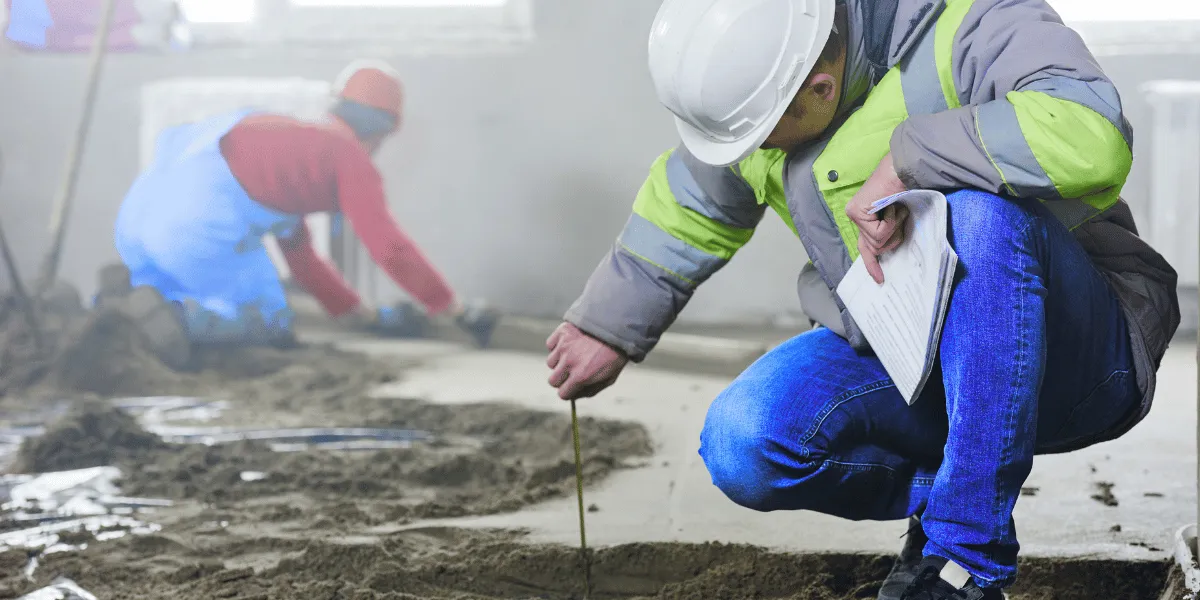
Patio Installation & Construction - Site preparation and base grading

Base preparation, laser leveling, and material staging for residential install.
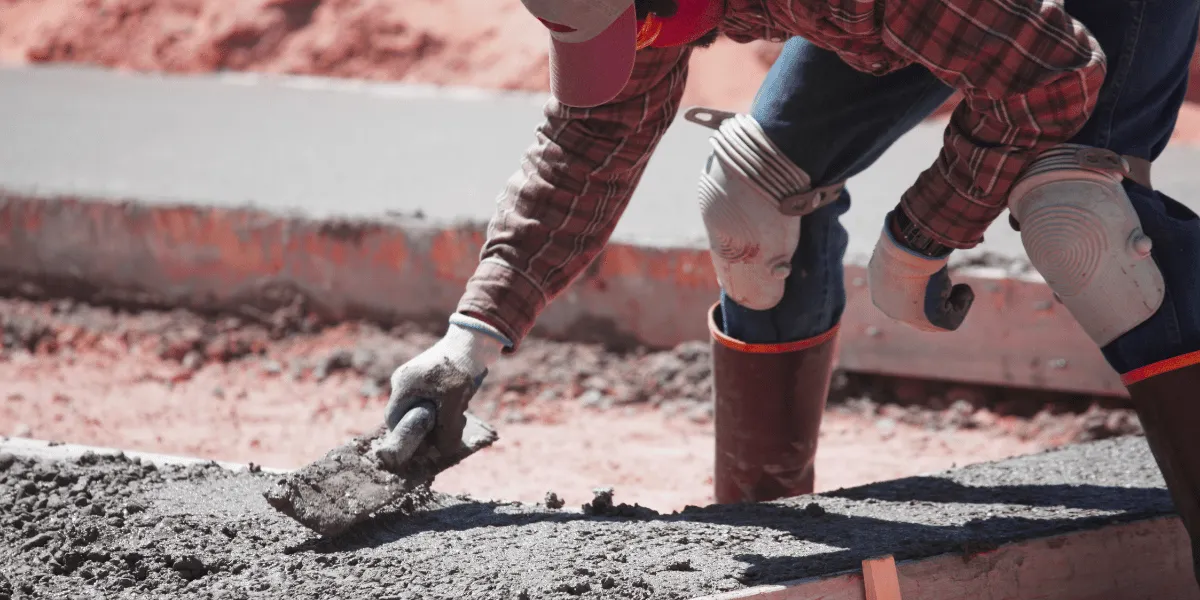
Patio Installation & Construction - Finished contractor installation

Completed installation showing precision border cuts and joint consolidation.

Related & Adjacent Landscaping Services

Independent Vetting Standard (Claims-Standards.md Compliant)

How ServiceFind Connects You With Verified Contractors

ServiceFind is an independent referral marketplace, not a direct landscaping company. We match you with pre-screened independent local contractors specializing in patio installation & construction.

License Verification:Trade licenses confirmed against state contractor boards where applicable.
Insurance Standards:Minimum $1,000,000 commercial liability coverage verified before match.
Fair Quote Promise:No phantom lowball estimates or hidden disposal/permit surcharges.
Verified Feedbackprovider review

"The matched masonry crew transformed our sloping dirt yard into a stunning 450 sq ft herringbone paver patio with a built-in gas fire pit. Base compaction was meticulously checked with laser levels, and the polymeric sand joints have held up flawlessly through torrential spring downpours."

Marcus T., Austin, TX (Verified Project: Paver Patio & Fire Pit Installation)
20-Point Decision Engine

Patio Installation Questions & Expert Answers

Sourced answers to help you evaluate contractor proposals, timelines, and costs.

A typical 400-square-foot paver patio ranges from $7,200 to $15,200 installed, depending on whether you choose standard concrete pavers, tumbled antiqued pavers, or natural flagstone.

Request Your Fair Quote on Patio Installation

Get an itemized estimate from a verified independent contractor in your local area. Zero hidden fees.

Editorial Source: Interlocking Concrete Pavement Institute (ICPI) Tech SpecsVerified: January 2024

ICPI Technical Specification 2 requires minimum 4-inch compacted aggregate base for pedestrian patios over clean geotextile fabric. Citation URL: https://icpi.org/

Marketplace Transparency & How ServiceFind Operates

ServiceFind is an independent contractor matching and referral platform, not a direct landscaping or construction company. All landscaping, hardscaping, lawn care, tree removal, and drainage work is performed exclusively by independent, third-party contractors. We verify licenses, insurance, and reputation standards prior to matching. Review our verification methodology for full transparency.